


















7 Most Common Mistakes in Electrical Cable Installation
Proper electrical cable installation is essential to ensure the safety, efficiency, and long-term reliability of any electrical system. However, mistakes such as selecting the wrong cable size, making poor electrical connections, or damaging cables during installation can compromise system performance and increase the risk of failures. In this article, we highlight the seven most common mistakes in electrical cable installation and explain how to avoid them.
20 April 2026
1. Choosing the wrong cable size
The cable size refers to the cross-sectional area of the electrical conductor, typically expressed in mm², and has a direct impact on the amount of current the cable can safely carry.This is one of the most common mistakes in electrical installations.
Using a cable with a smaller cross-sectional area than required can lead to:
- Cable overheating;
- Voltage drop;
- Frequent tripping of protective devices;
- Reduced service life of the electrical installation.
2. Using the wrong cable for the application
Not all electrical cables are designed for the same operating conditions.Before selecting a cable, it is important to assess where it will be installed and the conditions it will be exposed to. A cable suitable for an indoor installation may not be the best choice for direct burial, industrial environments, or applications subject to mechanical stress.
Some examples include:
- Direct burial installations: The cable must be suitable for underground installation and capable of withstanding soil conditions and potential mechanical damage.
- Industrial environments: Exposure to oils, chemicals, vibration, or high temperatures may require cables with specific performance characteristics.
- Locations with higher safety requirements: Cables with enhanced fire performance properties may be required.
- Mobile or moving installations: Flexible cables with greater mechanical strength should be used to withstand repeated movement and bending.
3. Damaging the cable during installation
A cable can be damaged before it is even put into service.During installation, several common mistakes can damage the insulation or conductors, including:
- Applying excessive pulling force when installing the cable
- Using inappropriate tools
- Forcing the cable through conduits that are too narrow
- Damaging the insulation during handling
4. Making bends that are too tight
During installation, especially inside electrical panels, cable trays, or cable routing systems, it is often necessary to make the most of the available space.However, bending a cable too tightly can damage its internal structure and compromise the insulation.
Every cable has a minimum bending radius specified by the manufacturer. Adhering to this recommendation helps preserve the cable's mechanical and electrical properties, ensures reliable performance, and extends its service life.
A well-executed installation should not only be functional but also well organised, allowing for easier maintenance and future modifications.
5. Overloading conduits and cable trays
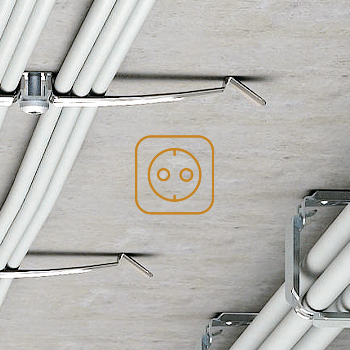
Installing too many cables in the same conduit, trunking, or cable tray is a common mistake, particularly in installations where space is limited.When cable containment systems become overcrowded, several issues can arise:
- Reduced heat dissipation
- Increased cable operating temperature
- Reduced current-carrying capacity
- Greater difficulty during future maintenance and modifications
6. Poorly executed connections and terminations
Many electrical problems are not related to the cable itself, but rather to the way the connections have been made.Some common mistakes include:
- Leaving conductors insufficiently tightened in terminals, resulting in poor electrical contact and hot spots
- Failing to use suitable terminals where required
- Making incorrect crimp connections between the conductor and the terminal
- Stripping too much or too little insulation from the conductor
- Applying incorrect tightening torque to terminals, either by under-tightening or over-tightening
7. Not properly identifying cables
Cable identification is often overlooked, but it can make a significant difference during future interventions.Without proper identification, it becomes more difficult to:
- Locate circuits
- Make modifications
- Detect faults
- Carry out maintenance work
Conclusion
The correct cable selection, proper sizing, compliance with installation requirements, and careful execution are essential factors for achieving good results in any electrical project.At Nortécnica, you can find a wide range of electrical cables and accessories for residential, commercial, and industrial installations, with solutions designed for electricians, panel builders, and installers.
To make on-site work easier, we also offer a cut-to-length service for most of our cables, allowing for more efficient preparation of the materials required for each installation.
Discover the right electrical cables for your project, with fast delivery.
Explore Products »