






How to Install More Electrical Equipment Without Increasing the Contracted Power? The Role of Dynamic Load Management
The evolution of electrical installations is bringing new challenges for electrical panel builders. The increase in higher-consumption equipment, such as electric vehicle chargers, heat pumps, photovoltaic systems, and energy storage batteries, is requiring a rethink of how electrical panels are designed. In many cases, the question asked by the customer is simple: “Is it possible to install new equipment without increasing the contracted power capacity?” In many situations, the answer lies in dynamic load balancing.
04 May 2026
What is dynamic load management?
Dynamic load management is a solution that allows the control and optimisation of the use of the available power in an installation in real time. Through continuous consumption monitoring, the system analyses the energy used and automatically adjusts the available power for certain equipment, preventing the installation from exceeding the defined limits.In practice, the system:
- Monitors the installation’s instantaneous consumption;
- Compares consumption with the available power;
- Adjusts the power allocated to certain loads when necessary.
A practical example: electric vehicle charging stations
The installation of electric vehicle charging stations is one of the applications where dynamic load management is most relevant.Imagine a home with limited contracted power, where the customer wants to install a charging station for their electric vehicle.
At the same time, the installation already includes other high-consumption equipment, such as a heat pump, an induction hob or an HVAC system. When several of these devices operate simultaneously, the total consumption can approach the available power limit.
With a dynamic load management system, the power available for electric vehicle charging can be automatically adjusted according to the other consumption levels of the installation.
In this way, charging continues to operate using the energy available at each moment, avoiding, in many cases, an immediate increase in contracted power or unnecessary changes to the existing electrical infrastructure.
Solutions available for installers
Currently, there are several solutions that allow the implementation of dynamic load balancing in installations.1. Dynamic load balancers
Dynamic load balancers monitor the installation’s consumption and communicate with control equipment, allowing the automatic adjustment of the use of available power.Main advantages:
- Prevent installation overloads;
- Improve the use of contracted power;
- Allow the integration of new equipment with greater flexibility;
- Help prepare the installation for future needs.
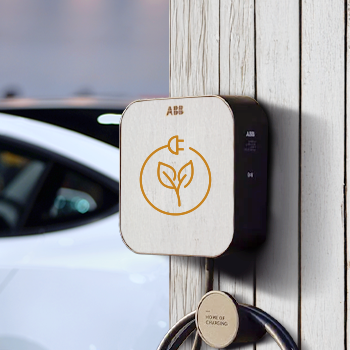
2. Charging stations prepared for load management
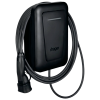
Some electric vehicle charging stations allow integration with energy management systems. These solutions enable the creation of smarter installations, where charging is adjusted according to the actual consumption of the installation and the power available at each moment.For the installer, this integration allows the development of more efficient solutions, ensuring greater control over the energy used and better adaptation to the needs of each project.
3. Sensors and measurement systems
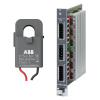
Accurate consumption measurement is essential for the operation of any dynamic load management system. Sensors allow real-time information about the installation to be collected, providing the data required for the system to make decisions and adjust power distribution.Rely on Nortécnica’s support
The choice of the appropriate solution always depends on the characteristics of the installation and the project requirements.The Nortécnica team is available to assist with the selection of equipment and the development of dynamic load management solutions.
For questions related to electric mobility, contact us at: mobilidadeeletrica@nortecnica.pt
Discover our electric mobility solutions, including charging stations, accessories and complementary equipment: