


How Tridonic is transforming lighting in Smart Cities
The evolution of cities increasingly depends on the development of efficient, connected infrastructures designed to meet the needs of their users. In this context, outdoor lighting plays a fundamental role, evolving from a simple lighting system into an intelligent energy management platform. Through automation and smart control, lighting can be adapted to actual usage conditions, ensuring greater energy efficiency, enhanced comfort, and reduced operating costs.
18 May 2026
Smart Control: Light Only When It’s Needed
One of the most effective applications of smart lighting can be found in residential areas, pedestrian walkways, parks, and other spaces with variable levels of activity. By using presence detection systems, lighting can remain at a reduced level when an area is unoccupied and automatically increase in brightness as soon as movement is detected.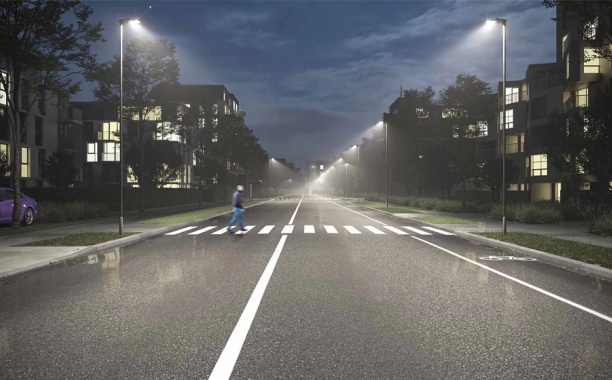
In this residential area, a smart lighting system has been implemented, combining time-based scheduling with motion detection.
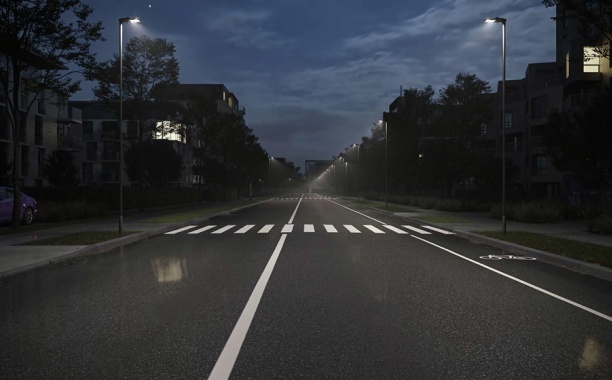
Reducing lighting levels during periods of low traffic allows energy savings without compromising the perceived safety of pedestrians and other road users.
This approach ensures:
- Adequate lighting at the right time;
- Reduced energy consumption during periods of low usage;
- Greater comfort for pedestrians and users of public spaces.
Tridonic: Technology Ready to Evolve
The transition to LED technology represents a major advancement in outdoor lighting, enabling significant reductions in energy consumption. Compared with conventional luminaires, LED systems can reduce energy consumption by at least 50%.The next step in this evolution is to use light only when and where it is needed. To support the transition towards intelligent systems, luminaires must be prepared to integrate sensors and control systems.
A solution designed for this evolution involves the use of LED luminaires with a Zhaga-D4i interface. This standard ensures compatibility between luminaires, drivers, sensors, and control modules, creating a flexible foundation for future upgrades.
With a driver D4i and a Zhaga interface, installations can evolve gradually, allowing new functionalities to be added and enabling the transition to smart lighting solutions while protecting the initial investment.
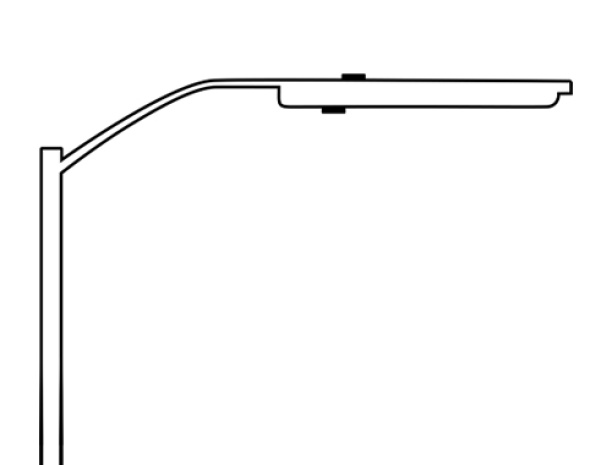
1/5
An outdoor LED luminaire with D4i technology and a Zhaga interface is the starting point for your investment.
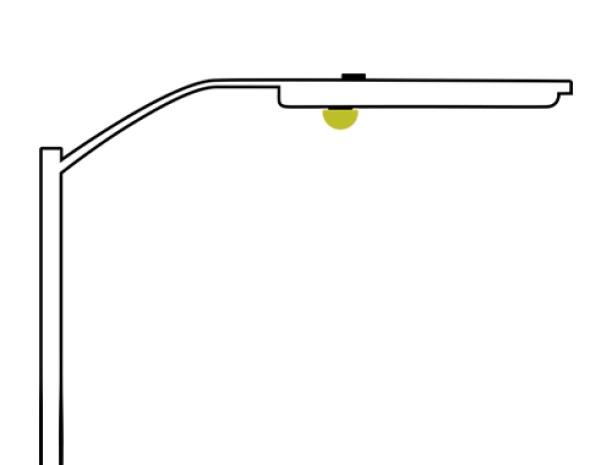
2/5
As a first step, a motion sensor can be added to control a single luminaire.
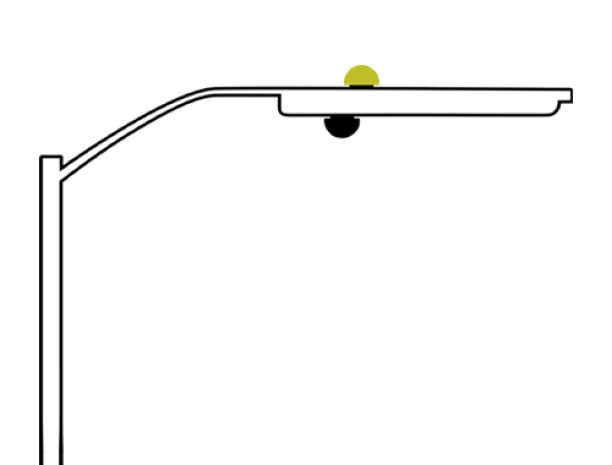
3/5
Other components, such as light sensors, also enable lighting control based on the available natural light.
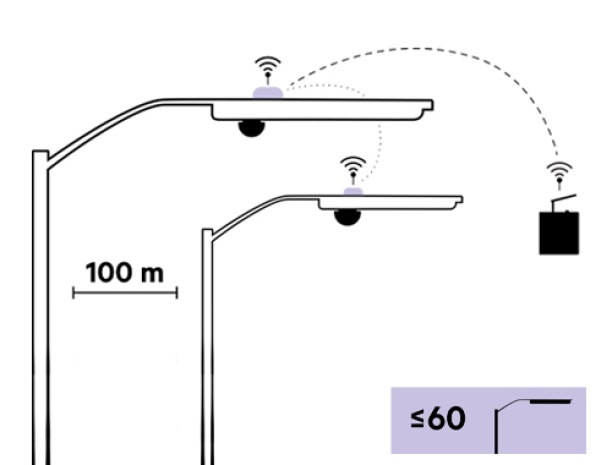
4/5
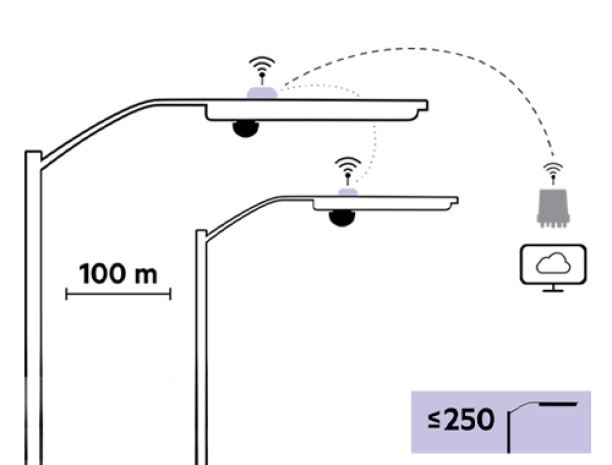
To make sensor data usable by multiple luminaires, groupCONTROL enables the control of up to 60 luminaires. The distance between luminaires can be up to 100 metres.
5/5
Important data for lighting maintenance and management, such as energy consumption, can be monitored and accessed through a Central Management System (CMS). This represents the highest level of connectivity and management for the lighting network.
The Next Step in Urban Lighting
Tridonic provides solutions for outdoor applications, including drivers, LED modules, and control technologies that enable the development of efficient, reliable luminaires prepared to meet the challenges of Smart Cities.As a Tridonic distributor, Nortécnica provides smart lighting solutions for professional projects, supporting electricians, installers, and lighting designers in selecting the most suitable technologies for each application.
Would you like to learn more about smart lighting solutions?
The Nortécnica team is available to support the selection of the most suitable solutions for each project. Contact us at comercial@nortecnica.pt.