





Single-phase or three-phase power: what is the difference?
Discover the differences between single-phase and three-phase power, their advantages, and which option is best for your home or electrical installation.
22 June 2026
What is a single-phase installation?
A single-phase installation uses one phase and one neutral conductor, providing a voltage of 230 V. It is the most common solution in apartments and houses, being suitable for most residential applications.It is typically used with AC chargers up to 7.4 kW.
What is a three-phase installation?
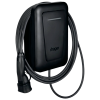
A three-phase installation uses three phases and one neutral conductor, allowing better load distribution and providing greater available power. It is commonly used in businesses, workshops, apartment buildings, and installations with higher energy requirements.It is the recommended solution for 11 kW and 22 kW AC chargers, provided that the vehicle is compatible.
| Single-phase | Three-phase | |
| Voltage | 230 V | 400 V between phases |
| Structure | 1 phase + neutral | 3 phases + neutral |
| AC charging | Up to 7.4 kW | 11 kW and 22 kW |
| Typical application | Homes | Businesses, apartment buildings, and higher-power installations |
What should you check before installing a charger?
Before selecting an electric vehicle charger, make sure to check:
- The type of power supply in the installation (single-phase or three-phase);
- The contracted power;
- The maximum charging power supported by the vehicle;
- The power rating of the charger to be installed;
- The required electrical protections.
Need help choosing the right charger?
The Nortécnica team is available to help you select the most suitable solution for each installation.
For more information or to request a quote, contact us by email at mobilidadeeletrica@nortecnica.pt
For more information or to request a quote, contact us by email at mobilidadeeletrica@nortecnica.pt