










Lightning Protection and Overvoltage Protection – Good Practices on Site
On March 20, we carried out a technical training session with OBO Bettermann focused on lightning protection and surge protection. This is a topic that often only becomes important when problems start appearing on site.
Damaged equipment, hard-to-diagnose faults, unexplained tripping, or installations that fail inspection are common symptoms. In most cases, the issue is not the equipment itself. It lies in the foundation of the installation.
23 March 2026
Earthing System: The Foundation of a Reliable Installation
The earthing system remains the foundation of a reliable electrical installation.It enables:
- the dissipation of lightning currents;
- equipotential bonding;
- reduction of electrical risks;
- improved protection of equipment.
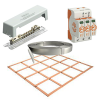
Whenever possible, installing the earthing system in the foundations remains one of the most effective solutions. It allows for lower resistance values and provides a more stable and long-lasting solution. The use of appropriate connectors is also important to ensure reliable and permanent connections.
Standards and Compliance
The implementation of these systems must follow standards such as:- NP EN IEC 62305 (lightning protection)
- NP 4426
- IEC 62561 (components)
Overvoltages: One of the Main Causes of Failures
Today’s electrical installations increasingly include sensitive equipment:- inverters;
- automation systems;
- home automation (domotics);
- electronic devices;
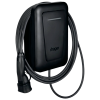
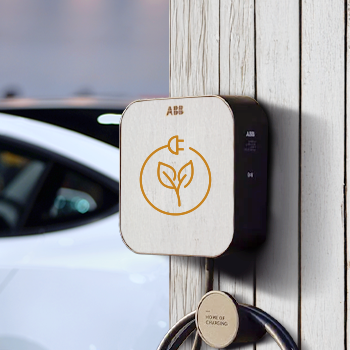
- electric vehicle chargers.
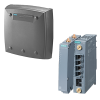
For this reason, surge protection devices (SPDs) should be considered from the design phase onward, rather than only at the end of the construction process.
Photovoltaic Systems: Mandatory Protection
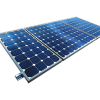
With the growth of solar energy, protection has become essential.It must be ensured on:
- DC side – protection of strings and the inverter
- AC side – protection of the grid connection
Materials and Installation: Where Quality is Achieved
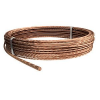
The choice of materials has a direct impact on the performance and durability of the installation.In the installation of foundation earth electrodes, the use of steel strip for earthing systems provides:
- good conductivity
- high mechanical strength
- effective integration into the structure
- long service life
Conclusion
Lightning and surge protection should be approached as a complete system, from the earthing system through to internal protection.OBO Bettermann positions itself as a full-solution supplier, providing all the necessary components, with proven quality and specialised technical support.
At Nortécnica, we support professionals in selecting the most suitable solutions, with product availability and technical assistance. Contact us at comercial@nortecnica.pt for technical support or quotation requests